Crochet: Where Patience, Creativity, and Threads Come Together
Creativity does not always begin with loud colors or bold strokes. Sometimes, it begins quietly—with a single thread, gentle movement, and time. Crochet is one such art form where patience meets imagination, and simplicity turns into something deeply meaningful. For those who love creating slowly and intentionally, this craft becomes more than a hobby; it becomes a rhythm of calm and creativity.
At its heart, crochet is about connection. The connection between hands and mind, between effort and outcome, and often between emotion and expression. Each loop carries time, focus, and care. Unlike fast creative processes, crochet invites you to pause, breathe, and stay present. That slowness is what makes it special.
For beginners, crochet can feel both exciting and intimidating. Learning how to hold the hook, control tension, and understand patterns takes time. But this learning curve is gentle. Mistakes are easy to undo, and progress is visible quickly. With each completed row, confidence grows. This sense of steady improvement is deeply rewarding for anyone starting their creative journey.
Crochet also holds emotional value. Many people associate it with warmth—blankets made with love, handmade gifts, or memories passed down through generations. Working with yarn often feels comforting, almost meditative. Repetitive movements calm the mind, making crochet a creative escape from stress and noise. It becomes a safe space where thoughts settle and creativity flows freely.
Creativity Through Yarn and Texture
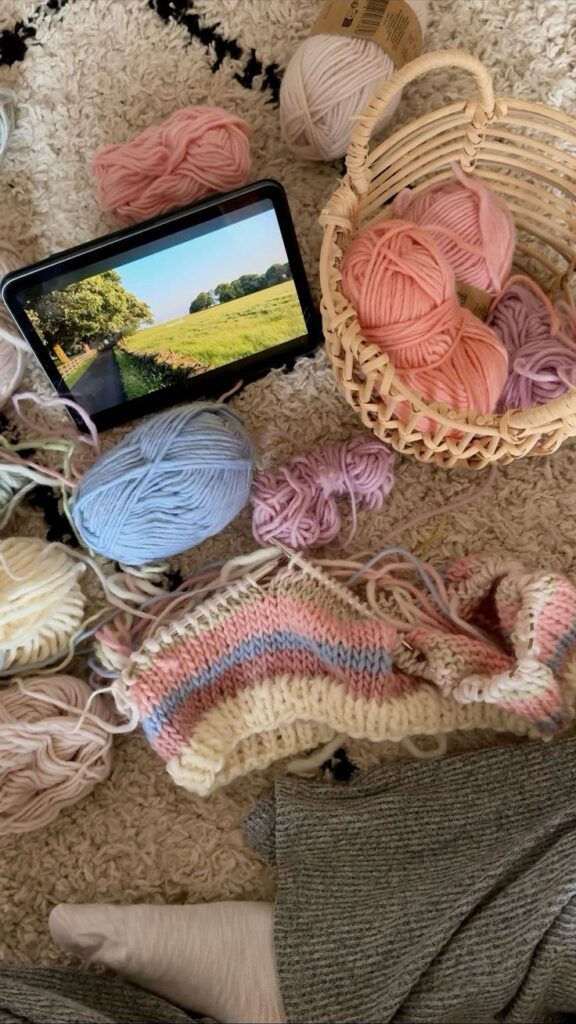
One of the most beautiful aspects of crochet is its versatility. From delicate lace to chunky winter wear, the same technique can create endlessly different results. Yarn choice alone changes the entire mood of a piece. Soft pastels feel gentle and nostalgic, while bold colors feel playful and expressive. Texture adds another layer, turning simple stitches into visually rich designs.
Creativity in crochet is not limited to following patterns. Freehand work allows makers to explore shapes and ideas intuitively. Letting the yarn guide your hands often leads to unexpected and beautiful outcomes. This freedom encourages personal expression and builds a deeper connection to the craft.
Making Crochet Look Clean and Eye-Catching
A well-made crochet piece feels balanced and visually pleasing, even to someone unfamiliar with the craft. Clean work begins with consistent tension. Even stitches create harmony and make the final piece look polished. Practicing tension control helps the fabric lie flat and feel professional.
Understanding structure is equally important. Knowing when to increase or decrease stitches ensures the shape stays intentional. Clean edges, straight rows, and thoughtful finishing elevate the overall look. Blocking—a process of shaping the finished piece—helps define stitches and enhances texture, making the work more appealing to the eye.
Color placement also plays a major role. Too many colors can overwhelm a design, while thoughtful combinations create clarity. Using contrast to highlight patterns or keeping a limited palette can make crochet designs stand out without feeling busy.
Crochet as a Form of Self-Expression
Beyond technique, crochet becomes powerful when it reflects personality. Some people are drawn to minimal designs, while others love detailed and intricate patterns. There is no right or wrong style. Each piece carries the maker’s mood, patience, and creativity. That personal touch is what makes handmade work irreplaceable.
Crochet also teaches valuable creative lessons—patience, resilience, and acceptance. Sometimes a piece does not turn out as imagined, and that is part of the process. Learning to adapt, undo, and try again strengthens both skill and mindset. Over time, imagination aligns more closely with execution.
A Creative Practice That Grows With You
As skills develop, crochet grows alongside the maker. Beginners start with simple rows, then move to textured patterns, shaping, and complex designs. Each stage feels like a quiet achievement. This steady growth keeps creativity alive without pressure.
Crochet is also deeply inclusive. It does not demand perfection, speed, or expensive tools. It asks only for time, curiosity, and care. That accessibility makes it a lifelong creative companion rather than a fleeting interest.
In a world that often rushes creativity, crochet reminds us that slow creation has its own beauty. Each finished piece carries hours of focus and intention, making it more than an object—it becomes a story made of thread.
For those emotionally connected to creativity, crochet offers comfort. For beginners, it offers patience. And for anyone who values handmade beauty, it offers a way to create something lasting, meaningful, and uniquely their own.