
Painting: Turning Emotion, Imagination, and Color into Living Art
Painting is more than applying color to a surface—it is the moment when imagination becomes visible and emotion takes form. For those who love creativity in every step of painting, each brushstroke feels intentional, personal, and deeply connected to the heart. Whether you are a beginner discovering your way into art or someone emotionally attached to creation, it offers a space where feelings speak louder than words.
For beginners, it can feel overwhelming at first. Colors, brushes, textures, and ideas all appear at once. But painting is not about control—it is about exploration. There is beauty in learning how colors interact, how mistakes lead to unexpected beauty, and how confidence slowly grows with every canvas.
Emotion plays a powerful role in creativity. Many artists paint to release emotions they cannot explain. Joy, grief, hope, nostalgia—each feeling finds its own color and movement. This emotional attachment transforms painting into a deeply personal form of art, where the canvas becomes a mirror of the inner self.
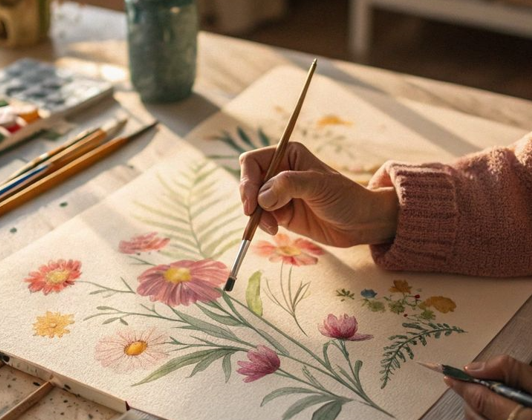
Creative Ways of Painting to Awaken Your Art
Creativity in painting grows when you allow yourself to step outside rigid rules. Here are some creative approaches that help you connect deeply with your art:
1. Mood-Based
Choose a mood instead of an object. Let colors and brush movements express emotion. This method strengthens emotional storytelling in your creative way to paint.
2. Limited Color Palette
Use only two or three colors. This builds harmony and teaches balance, making your creativity visually pleasing and focused.
3. Palette Knife
Using a knife instead of a brush creates bold textures and raw expression. This style brings energy and depth to your creativity.
4. Abstract Imagination
Paint what you feel, not what you see. Abstract creativity frees creativity and removes fear of realism.
5. Layer-by-Layer
Build your painting slowly in layers. Each layer adds depth, intention, and emotional weight.
How to Make a Painting Look Clean and Eye-Catching
A painting should communicate clearly to the viewer, even without explanation. Clean and thoughtful execution makes it visually powerful.
Clear Composition
Before starting, decide where the focus will be. Strong creativity always has a visual center that guides the viewer’s eyes naturally.
Balanced Color Harmony
Too many colors can confuse the eye. Use harmony and contrast wisely. Calm paintings use soft transitions; bold paintings use strong contrast.
Controlled Brushstrokes
Intentional brushstrokes make it look confident. Even expressive strokes should feel purposeful. This clarity elevates it from casual to compelling.
Proper Use of Light and Shadow
Light brings realism and emotion to it. Understanding highlights and shadows adds depth and makes the artwork feel alive.
Clean Edges and Transitions
Not every edge needs to be sharp, but intentional edges create structure. Clean transitions help your painting look polished and professional.
Making a Painting Look Like Your Imagination
Every creativity begins as an imagined scene or feeling. To translate imagination into reality, patience is essential. Start with a rough base. Let your creativity evolve naturally. Adjust, layer, and refine as your idea becomes clearer.
Strong painting is not rushed. It grows through observation and trust in the process. Over time, your hands learn to follow your vision, and your creativity begin to resemble what you once only imagined.
Painting is not just a skill—it is a relationship between emotion, creativity, and color. For beginners, it is discovery. For emotionally connected artists, it is expression. For creative souls, it is freedom.
If you feel deeply connected to creativity and art, painting will always be your most powerful language.