
Decor and Art: When Spaces Begin to Tell Stories
A space becomes meaningful when it reflects the people who live in it. Walls, corners, light, and textures all carry the potential to speak—when guided by decor and art. Together, they transform ordinary rooms into personal narratives, turning empty spaces into places filled with warmth, memory, and intention. For those who love creativity, decor and art are not trends but emotions carefully placed around them.
Decor is often seen as arrangement, while art is seen as expression. But when combined, decor and art blur the line between function and feeling. A thoughtfully chosen artwork can change the mood of a room, just as a well-placed decor element can elevate the impact of art. This harmony creates spaces that feel lived in, not just styled.
For beginners, entering the world of decor and art can feel overwhelming. There are endless styles, colors, and rules suggested everywhere. But the truth is simple: meaningful spaces are created by connection, not perfection. When decor and art reflect personal taste, even simple choices feel powerful.
The Emotional Role of Decor and Art
Spaces affect how we feel. A calm room can quiet the mind, while a vibrant one can energize the spirit. Decor and art play a central role in shaping these emotions. A soft-toned wall paired with minimal art can create peace. Bold decor combined with expressive art can inspire creativity and confidence.
Art carries stories—sometimes personal, sometimes universal. When art becomes part of decor, it turns walls into emotional anchors. A painting, sculpture, or handmade piece often holds memories, making a space feel deeply personal. This emotional attachment is what gives decor and art their lasting value.
Creative Ways to Blend Decor and Art
Creativity thrives when rules are flexible. Here are some ways to bring decor and art together in expressive and imaginative ways:
1. Layered Wall Stories
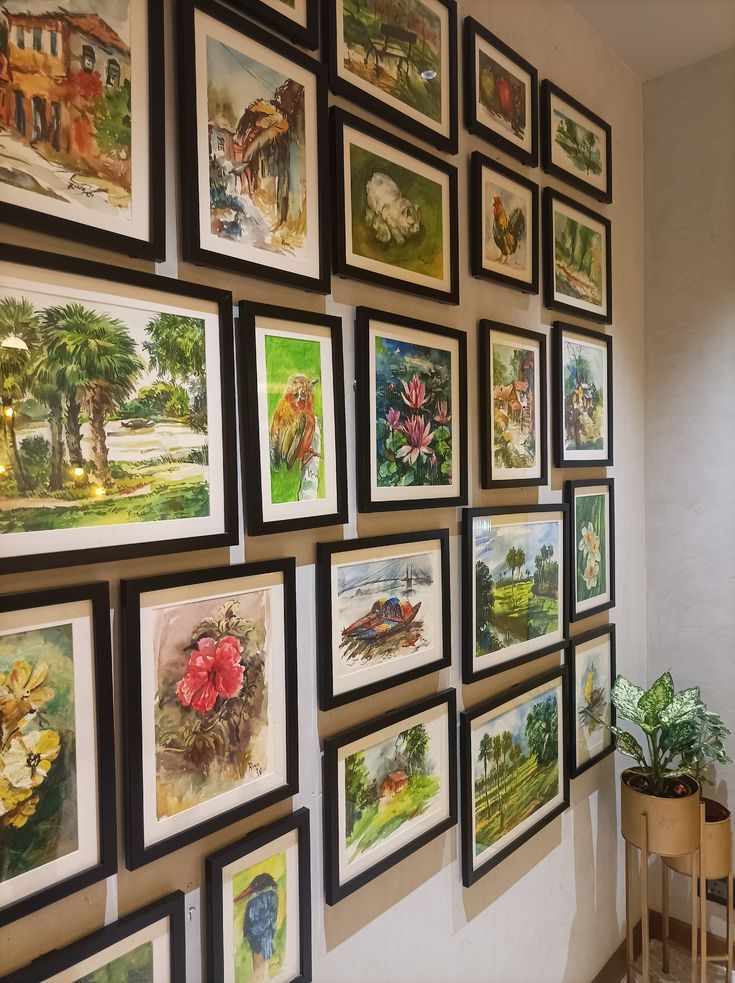
Instead of one large artwork, layer small pieces with mirrors, frames, or textured decor. This creates visual depth and allows multiple stories to coexist.
2. Functional Art
Use everyday decor items as art—handcrafted lamps, artistic shelves, or sculptural furniture. When function meets creativity, decor and art become inseparable.
3. Mixed Textures and Materials
Combine wood, metal, fabric, and ceramics. Texture adds richness and makes decor and art feel tactile and alive.
4. Personal Collections as Art
Books, travel objects, or handmade items can become art when displayed intentionally. Personal decor adds authenticity.
5. Seasonal Creativity
Let decor and art evolve with seasons. Small changes in color, fabric, or artwork keep spaces fresh and emotionally responsive.
Making Decor and Art Look Clean and Eye-Catching
A visually pleasing space feels balanced, not crowded. Clean decor begins with intention. Every piece should have a reason to exist. Too much decor can distract from art, while too little can make a space feel empty.
Clear Focal Points
Every room benefits from a focal point—an artwork, a feature wall, or a statement decor piece. Strong decor and art guide the viewer’s eye naturally.
Color Harmony
Choose a color palette that flows. Art should either complement the decor or stand out intentionally. Harmony brings calm; contrast brings energy.
Spacing and Breathing Room
Allow space between pieces. Negative space enhances both decor and art, making each element feel more impactful.
Lighting Matters
Good lighting elevates decor and art instantly. Soft lighting creates warmth, while focused lighting highlights artwork and textures.
Consistency in Style
A mix of styles can work beautifully when there’s a connecting element—color, material, or mood. This keeps decor and art cohesive.
Turning Imagination Into Living Spaces
Every decorated space begins as an idea—a feeling you want to live with. Translating that imagination into reality takes patience. Start small. Rearrange, observe, and refine. Strong decor and art evolve over time, not overnight.
Trust your instincts. If a piece resonates with you, it belongs in your space. Trends fade, but emotional connection remains. Over time, your surroundings will start to reflect not just style, but growth, memories, and creativity.
Decor and art are deeply personal. They don’t demand expertise, only honesty. For beginners, they offer exploration. For creative souls, they offer expression. And for those emotionally attached to beauty, decor and art offer a way to live inside creativity every day.
A well-curated space doesn’t shout—it speaks softly, telling your story through form, color, and feeling. And that is where decor and art truly come alive.