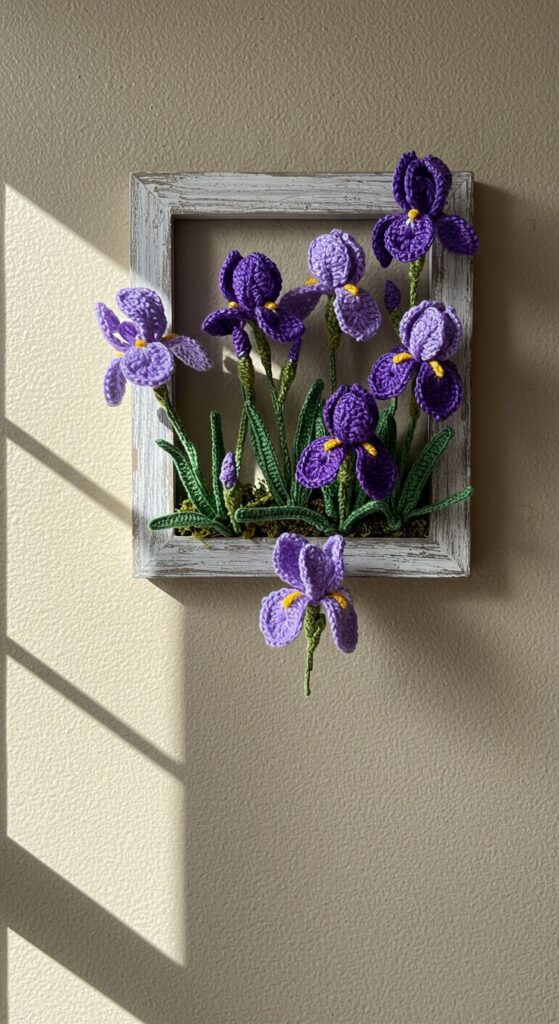
Handmade Art in a Digital World: Holding Onto the Human Touch
We live in a time where almost everything can be created with a click. Screens glow with endless designs, perfectly edited visuals, and instant creativity. Yet, in the middle of this fast-moving digital world, handmade art continues to hold a quiet, powerful place. It reminds us of something deeply human—imperfection, effort, and presence.
Handmade art is not just about the final piece; it is about the process behind it. Every brushstroke, every stitch, every line carries the time and emotion of the person creating it. Unlike digital creations that can be undone instantly, handmade art holds every decision, every mistake, and every moment of growth within it. That is what makes it real.
For beginners, handmade art offers a grounding experience. It slows you down. It asks for patience and attention. When you work with your hands, you become more aware of each movement and each choice. This awareness builds a deeper connection with creativity, something that is often lost in the speed of digital creation.
The Emotional Value of Handmade Art
There is a warmth in handmade art that is difficult to replicate. It feels personal because it is personal. A handmade piece often carries memories—of the time it was made, the emotions felt during the process, and the intention behind it. This emotional depth is what draws many people back to handmade art, even in a world full of advanced technology.
When you hold or see something handmade, you can sense the effort behind it. Slight imperfections, uneven textures, and natural variations are not flaws; they are signs of authenticity. Handmade art does not aim for perfection—it aims for connection.
Creativity Without Shortcuts
Digital tools offer convenience and speed, but handmade art offers experience. It teaches you to trust the process rather than rush to the result. Mixing colors by hand, shaping materials, or sketching freely allows creativity to unfold naturally.
This process encourages experimentation. Without the safety of an “undo” button, you learn to adapt, adjust, and accept outcomes. These moments of uncertainty often lead to the most unique and meaningful results. Handmade art grows through exploration, not control.
Finding Balance Between Digital and Handmade
The rise of digital platforms does not mean handmade art is losing its value. Instead, both can exist together. Many artists today combine traditional techniques with digital tools, creating a balance between efficiency and authenticity.
However, handmade art continues to stand out because of its tactile nature. You can feel it, see its texture, and connect with it physically. This sensory experience creates a stronger emotional impact, making handmade creations timeless.
Making Handmade Art Look Clean and Eye-Catching
While handmade art celebrates imperfection, it still benefits from thoughtful execution. A visually appealing piece communicates clearly and leaves a lasting impression.
Clear Structure and Planning
Even spontaneous creations need a basic idea. Having a direction helps your handmade art feel intentional rather than random.
Attention to Detail
Small details—edges, finishing, and alignment—make a big difference. Careful attention elevates the overall quality of handmade art.
Balanced Composition
Whether it’s a painting, sketch, or craft piece, balance is essential. Proper spacing and arrangement make the artwork pleasing to the eye.
Consistency in Style
Sticking to a consistent approach—whether minimal, textured, or detailed—helps your handmade art feel complete and professional.
Clean Finishing Touches
Final touches matter. Smoothing edges, refining lines, or adjusting small elements can transform a good piece into a striking one.