Art Journaling: Where Thoughts and Creativity Meet
There are moments when thoughts feel too heavy for words and too scattered for silence. In those moments, art journaling becomes a quiet space where emotions can exist freely. It is not just about drawing or writing—it is about creating a personal world where feelings, ideas, and imagination come together without judgment.
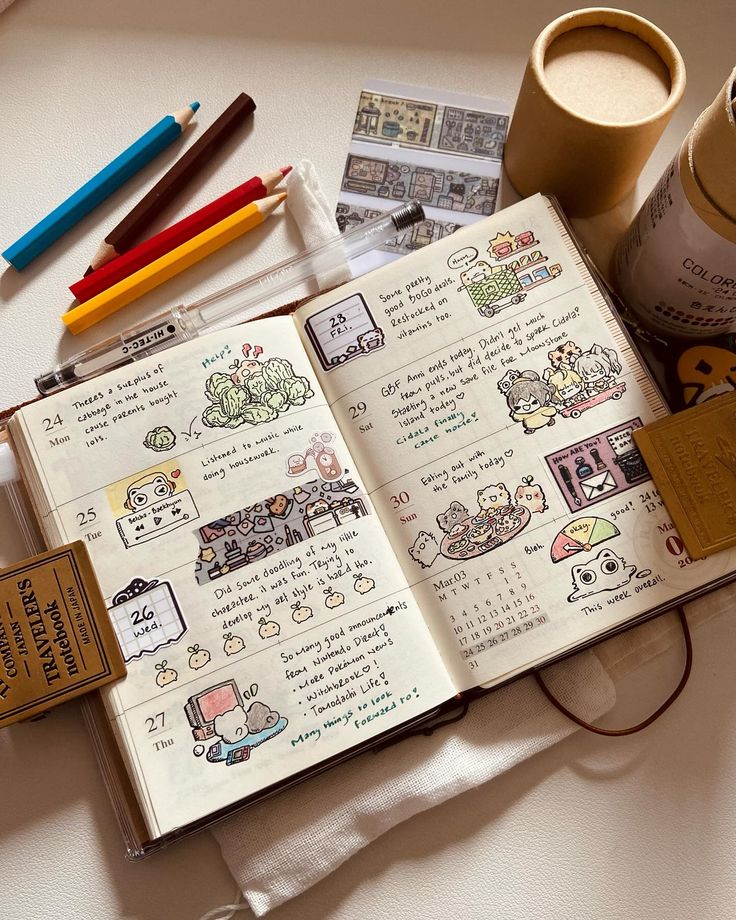
Art journaling is a blend of expression. It combines sketches, colors, textures, and words into one space. Unlike traditional art, it does not aim to impress. Unlike writing, it does not rely only on language. Instead, art journaling allows you to express yourself in the way that feels most natural at that moment.
For beginners, art journaling is one of the easiest ways to start a creative practice. There are no strict rules, no right or wrong outcomes. A simple notebook and a pen are enough to begin. Over time, you can add colors, collage pieces, or textures. The process grows with you.
The Emotional Power of Art Journaling
One of the most meaningful aspects of art journaling is its emotional depth. It becomes a safe place where you can be honest without fear. You can express joy, confusion, sadness, or hope—sometimes all on the same page.
When words are not enough, a simple sketch or a splash of color can say more. This makes art journaling especially powerful for those who feel deeply but struggle to explain their emotions. It becomes a form of release, helping you understand yourself better over time.
Creative Ways to Practice Art Journaling
Art journaling thrives on freedom and experimentation. Here are some creative approaches to explore:
1. Mixed Media Pages
Combine drawing, painting, and writing. Use whatever materials you have—pens, colors, magazine cutouts—to create layered pages.
2. Emotion-Based Entries
Start with a feeling and let your page grow around it. This approach makes art journaling more personal and expressive.
3. Daily Mini Pages
Create small, quick entries every day. Even a few lines or shapes can keep your creativity active.
4. Collage Journaling
Use pieces of paper, photos, or textures to build visual stories. This adds depth and variety to your journal.
5. Word and Image Blend
Write a sentence or a thought and build visuals around it. This balance makes art journaling both reflective and creative.