Minimalist Art: The Beauty of Simplicity in Modern Expression
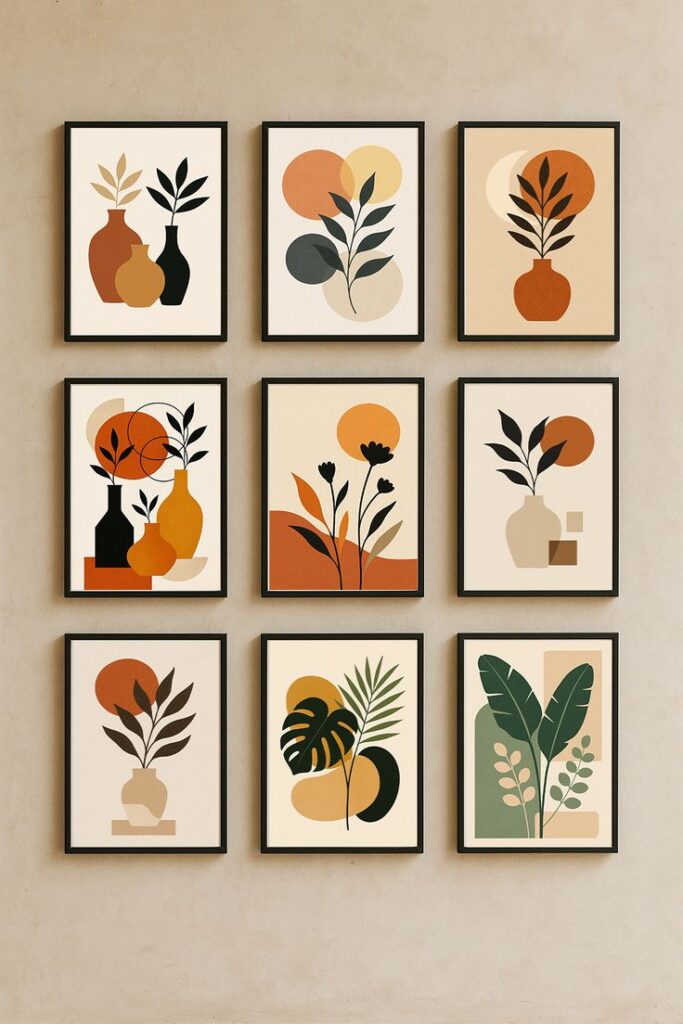
In a world filled with noise and excess, minimalist art offers a refreshing pause. It strips away unnecessary elements and focuses only on what truly matters. This artistic movement celebrates simplicity, clarity, and intentional design, proving that less can indeed be more.
What is Minimalist Art?
Minimalist art is a style that emphasizes simplicity by using limited colors, shapes, and forms. Emerging in the late 1950s and 1960s, it was a reaction against the complexity of abstract expressionism. Artists aimed to remove emotional exaggeration and instead present pure, objective visuals.
Rather than telling a detailed story, minimalist art invites viewers to interpret meaning through simplicity and space.
Core Principles of Minimalism
At its heart, minimalist art follows a few guiding principles:
•Simplicity: Only essential elements are included
•Clarity: Clean lines and open space dominate
•Balance: Every element has purpose and harmony
•Focus: Eliminates distractions to highlight meaning
This approach allows the viewer to connect deeply with the artwork without being overwhelmed.