
veeraman.com

Minimalist Art

Minimalist Art: The Beauty of Simplicity in Modern Expression

In a world filled with noise and excess, minimalist art offers a refreshing pause. It strips away unnecessary elements and focuses only on what truly matters. This artistic movement celebrates simplicity, clarity, and intentional design, proving that less can indeed be more.

What is Minimalist Art?

Minimalist art is a style that emphasizes simplicity by using limited colors, shapes, and forms. Emerging in the late 1950s and 1960s, it was a reaction against the complexity of abstract expressionism. Artists aimed to remove emotional exaggeration and instead present pure, objective visuals.

Rather than telling a detailed story, minimalist art invites viewers to interpret meaning through simplicity and space.

Core Principles of Minimalism

At its heart, minimalist art follows a few guiding principles:

•Simplicity: Only essential elements are included
•Clarity: Clean lines and open space dominate
•Balance: Every element has purpose and harmony
•Focus: Eliminates distractions to highlight meaning

This approach allows the viewer to connect deeply with the artwork without being overwhelmed.
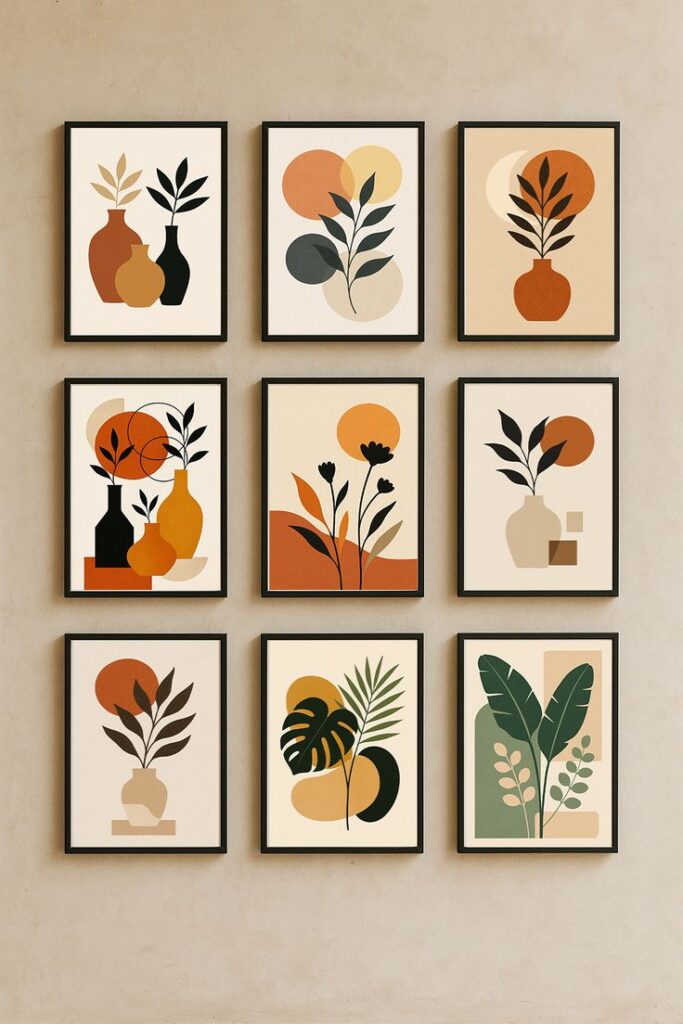
Minimalist art

Elements Used in Minimalist Art

Artists working in minimalist art often rely on basic visual components such as:

•Geometric shapes like squares and lines
•Neutral or monochrome color palettes
•Repetition and symmetry
•Use of empty or negative space

These elements may seem simple, but they create powerful visual experiences when combined thoughtfully.

Why Minimalist Art is So Powerful

The beauty of minimalist art lies in its ability to communicate without excess. By reducing visual clutter, it creates space for reflection and interpretation. Viewers are encouraged to slow down and engage more deeply.

Minimalist art also aligns with modern lifestyles where people seek calm, clarity, and intentional living. It reflects a desire to escape chaos and embrace peace.

Minimalism Beyond the Canvas

The influence of minimalist art extends beyond galleries into everyday life. It inspires:

•Interior design with clean, uncluttered spaces
•Fashion with simple, timeless pieces
•Digital design focused on user-friendly layouts

This shows how minimalism is not just an art style, but a lifestyle philosophy.

Final Thoughts

Minimalist art teaches us an important lesson: beauty does not require complexity. By focusing on the essential, it creates meaningful and lasting impressions. In its quiet and subtle way, it speaks volumes.

Whether you are an artist or an admirer, minimalist art encourages you to see the world differently—finding elegance in simplicity and meaning in space.

Leave a Comment

Your email address will not be published. Required fields are marked *

Scroll to Top