
Art of Sketching: A Creative Journey for Beginners and Art Lovers
Sketching is not just a technique; it is a quiet conversation between the mind and the hand. For those who love creativity at every step of art creation, sketching feels like home. It is where ideas are born softly, where imagination breathes before it becomes something finished. For beginners, sketching is a gentle entry into art, and for those emotionally attached to it, sketching becomes a language of feelings.
When you sketch, you are not trying to impress—you are trying to express. That is why sketching holds such a special place in art. It allows freedom without fear. A sketch does not demand perfection; it only asks for honesty. This makes it the perfect starting point for anyone beginning their journey in art, and a comforting space for those who return to it again and again.
The Emotional Side of Sketching
Many people feel deeply connected to art because it listens when words fail. Sketching, in particular, captures emotions in their raw form. A light line can show calm, a dark stroke can reveal pain, and a rough texture can speak of chaos. When emotions guide your sketch, the result feels alive. Viewers may not know why they are drawn to it, but they feel something—and that is the true power of art.
For beginners, this emotional connection removes pressure. You don’t need to master anatomy or perspective immediately. Start with feeling. Sketch what moves you: a memory, a moment, a face, or even a thought.
Creative Ways of Sketching to Spark Imagination
Creativity grows when you allow yourself to experiment. Here are some creative sketching methods that help beginners and emotional artists connect deeply with art:
Blind sketching: Draw without looking at the paper. This strengthens observation and removes fear of mistakes, making your art more expressive.
Emotion-based sketching: Choose an emotion and sketch lines, shapes, or faces that represent it. This builds emotional depth in creativity.
Story sketching: Create a sketch that tells a small story. Even simple elements can carry meaning in a sketch.
Music-inspired sketching: Listen to music and let rhythm guide your strokes. This brings flow and movement into your creativity.
Minimal-line sketches: Use as few lines as possible. This teaches clarity and intention in your creation.
These methods remind us that sketching is not about copying reality but about interpreting it through art.
Making a Sketch Look Clean and Eye-Catching
When these elements come together, your sketch reflects exactly what you imagined—clear, expressive, and emotionally powerful.
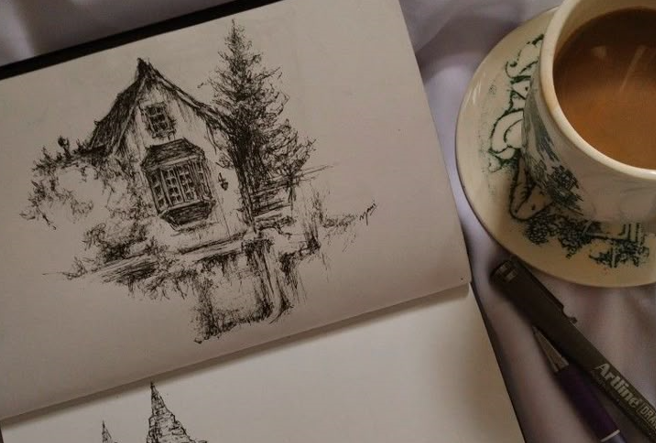
Sketching as a Creative Habit
Sketching regularly builds more than skill; it builds trust with your creativity. Even five minutes a day strengthens your connection with creativity. Over time, your sketches become more confident, your ideas sharper, and your emotional expression deeper.
For beginners, sketching removes the fear of starting. For emotional creators, it becomes a form of healing. And for anyone who loves creativity, sketching is the purest form of art—unfinished, honest, and full of potential.
Final Thoughts
Sketching is where creativity begins, but it is also where it stays alive. Every line carries intention, every shadow holds emotion, and every page becomes a part of your creative story. Whether you are just beginning or deeply attached to creativity, sketching invites you to slow down, feel more, and create without limits.
In the end, the most beautiful sketches are not the most perfect ones—they are the ones that feel real.